When to Change Strings and Bow Hair
The sonic brilliance of a bowed instrument depends not only on the musician's skill but significantly on the condition of the consumable materials. Strings and bow hair are subject to natural wear and tear, which often occurs gradually. In this guide, we explain how to recognize the optimal time for replacement and why professional maintenance in Graz extends the lifespan of your instrument.
The Lifespan of Instrument Strings
Strings are the direct connection between the musician and the body of the instrument. Over time, they lose their elastic properties and the ability to maintain stable intonation. Especially in a city like Graz, where humidity fluctuates according to the season, the stress on the material is high. When strings begin to break more frequently or no longer tune precisely, this is a clear sign of material fatigue.
Another important indicator is the loss of harmonic richness. Old strings often sound "dead" or dull, as the inner windings lose flexibility due to corrosion or sweat deposits. For students of the music academy or professional orchestra musicians, regular replacement is essential to ensure the required sonic precision and projection in a concert hall.
Signs That Your Bow Hair Needs Replacing
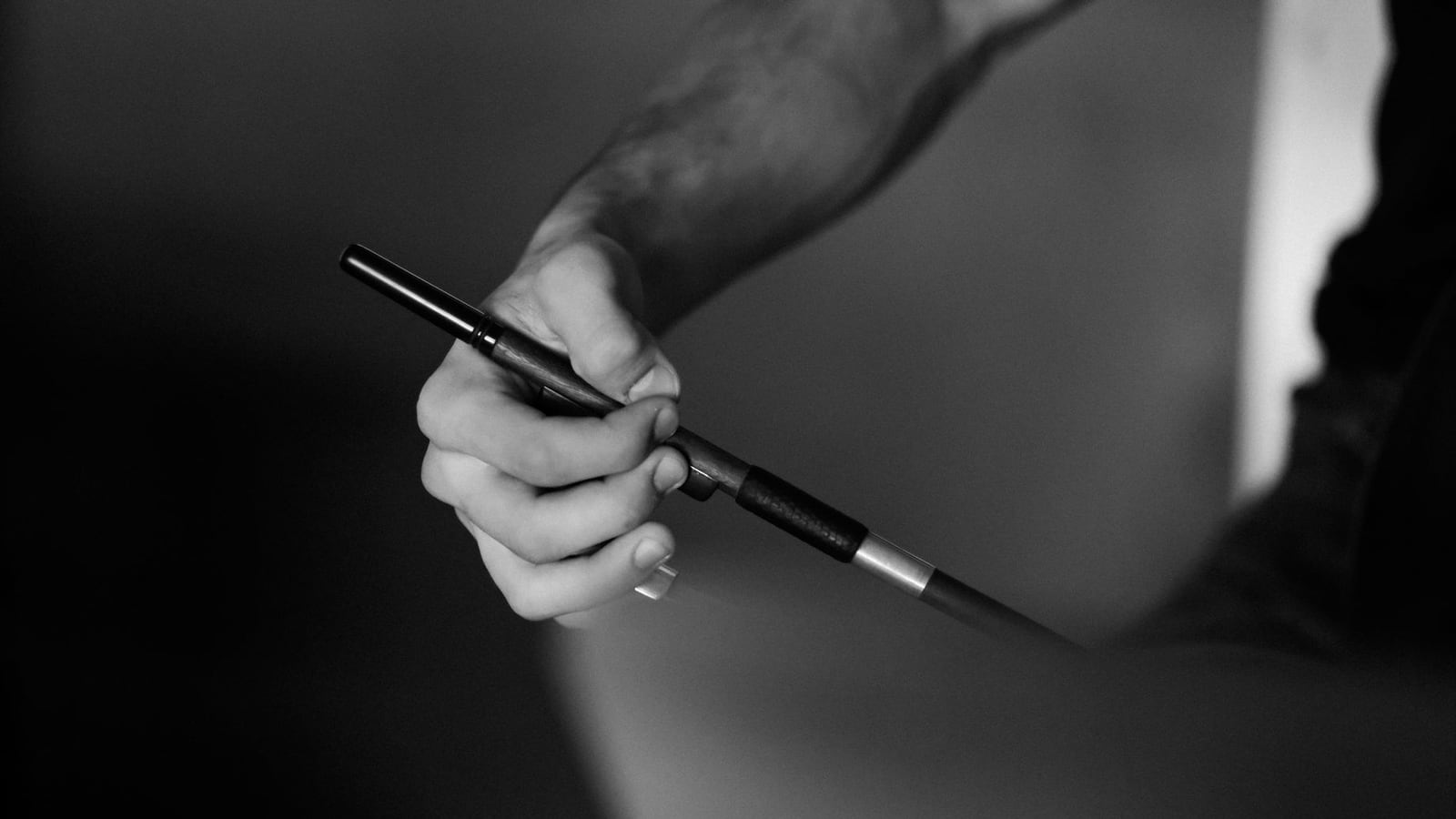
The horsehair of a bow is an organic material that slowly wears down through friction against the string and the application of rosin. A clear sign of wear is when the hair no longer holds the desired tension or the shape of the bow (the camber) becomes unstable. If you notice that you have to tighten the bow unusually hard to produce a clean tone, the hair is likely already overstretched or worn out.
Additionally, uneven wear patterns can occur, where the hair becomes thinner in the middle of the bow. This leads to a scratchy sound and makes articulation more difficult. Timely replacement prevents the bow stick from becoming permanently deformed by excessive tension, which would require a far more expensive structural correction.
The Role of the Austrian Climate
Austrian winters are often dry, while summers in Styria can be quite humid. These extreme shifts affect both strings and bow hair. Dry heating air in winter strips moisture from the wood and strings, which can lead to loss of tension and stability. Conversely, high summer humidity can cause bow hair to lose its grip and tension more quickly.
We recommend our clients in Graz, especially during the transition phases in spring and autumn, to have a brief check of their instrument. This ensures that string tension remains optimal and the instrument is not damaged by climatic influences. Complementary to this, it is advisable to read about guitar care during seasonal changes, as similar principles of material maintenance apply to other stringed instruments.
When is Professional Service Necessary?
While some musicians change strings themselves, there are moments when visiting the workshop is indispensable. A string change is often the ideal time for comprehensive bowed instrument maintenance. This is because replacing strings changes the pressure exerted on the bridge and the tailpiece.
A professional checks whether the bridge is still correctly aligned or if it has tilted slightly under the new tension. Likewise, the height of the strings above the fingerboard is checked. An incorrectly adjusted bridge can not only negatively affect the sound but, in the worst case, lead to cracks in the top wood of the instrument.
Replacement Timing Checklist
| Component | Warning Signs (Replacement needed) | Interval (Recommendation) |
|---|---|---|
| Strings | Unstable tuning, dull sound, visible corrosion | Every 6 to 12 months |
| Bow Hair | Loss of tension, uneven wear, scratchy tone | Every 6 to 18 months |
| Bridge/Saddle | Strings buzzing or are too high/low | Check during every string change |
Risks of Overdue Replacement
Ignoring signs of wear can have long-term consequences. Old strings can damage the tailpiece due to uneven tension or, in extreme cases, cause the bridge to collapse. Worn-out bow hair, on the other hand, often forces the musician to over-tighten the bow. This puts massive stress on the bow wood and can lead to a permanent loss of elasticity and resilience.
Furthermore, playing technique suffers. If the instrument no longer responds precisely, musicians often develop unconscious poor postures in the left or right hand to compensate for the lack of material quality. Timely service is therefore not just a matter of sound, but also of ergonomics and health.
Conclusion and Recommendations for Musicians in Graz
Regular care of strings and bow hair is the simplest and most effective method to maintain the quality of your instrument. Pay attention to sonic changes and the physical condition of your materials. If you are unsure whether a replacement is necessary, we invite you to bring your instrument to our workshop at Jakominiplatz for an evaluation.
We provide precise diagnostics and professional replacement that always aligns with the overall tuning and balance of your instrument. To arrange an appointment or for further questions, you can reach us via our contact page.